My storyfrom the cell outward
I am a family physician practicing in Surrey, British Columbia, where I am the founder and Medical Director ofSerene Rejuvenation and the Medical Director of CityMed Medical Clinic.
Long before I practiced medicine, I spent four years at the University of British Columbia earning my undergraduate degree in Cell Biology and Genetics, with a minor in psychology. The entire degree centred on one question: How do cells actually work?
From 2000 to 2004, I learned how a cell membrane is built, how a cell makes and sends out its proteins, how it reads its own genetic instructions, and how cells talk to one another.
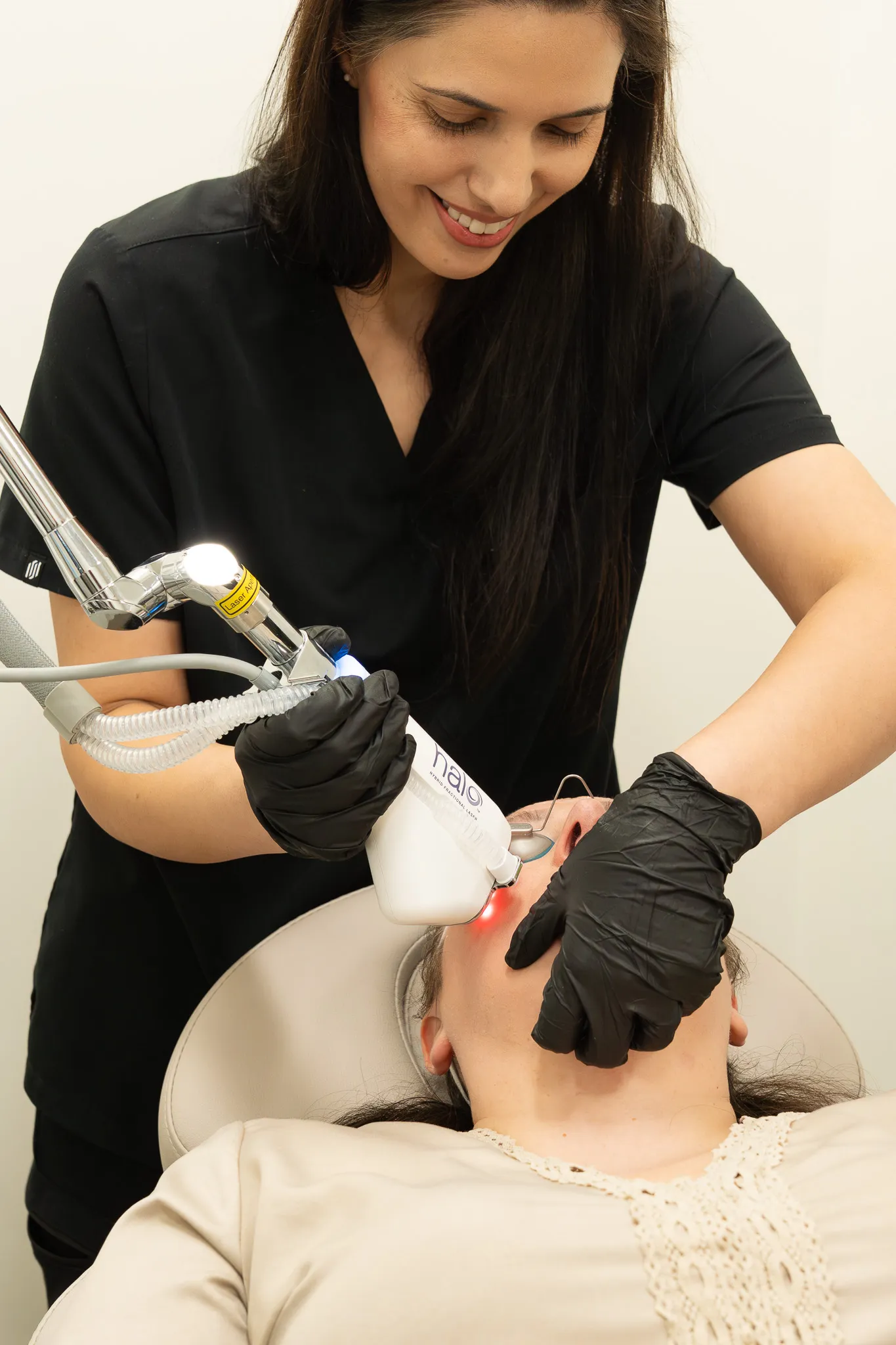
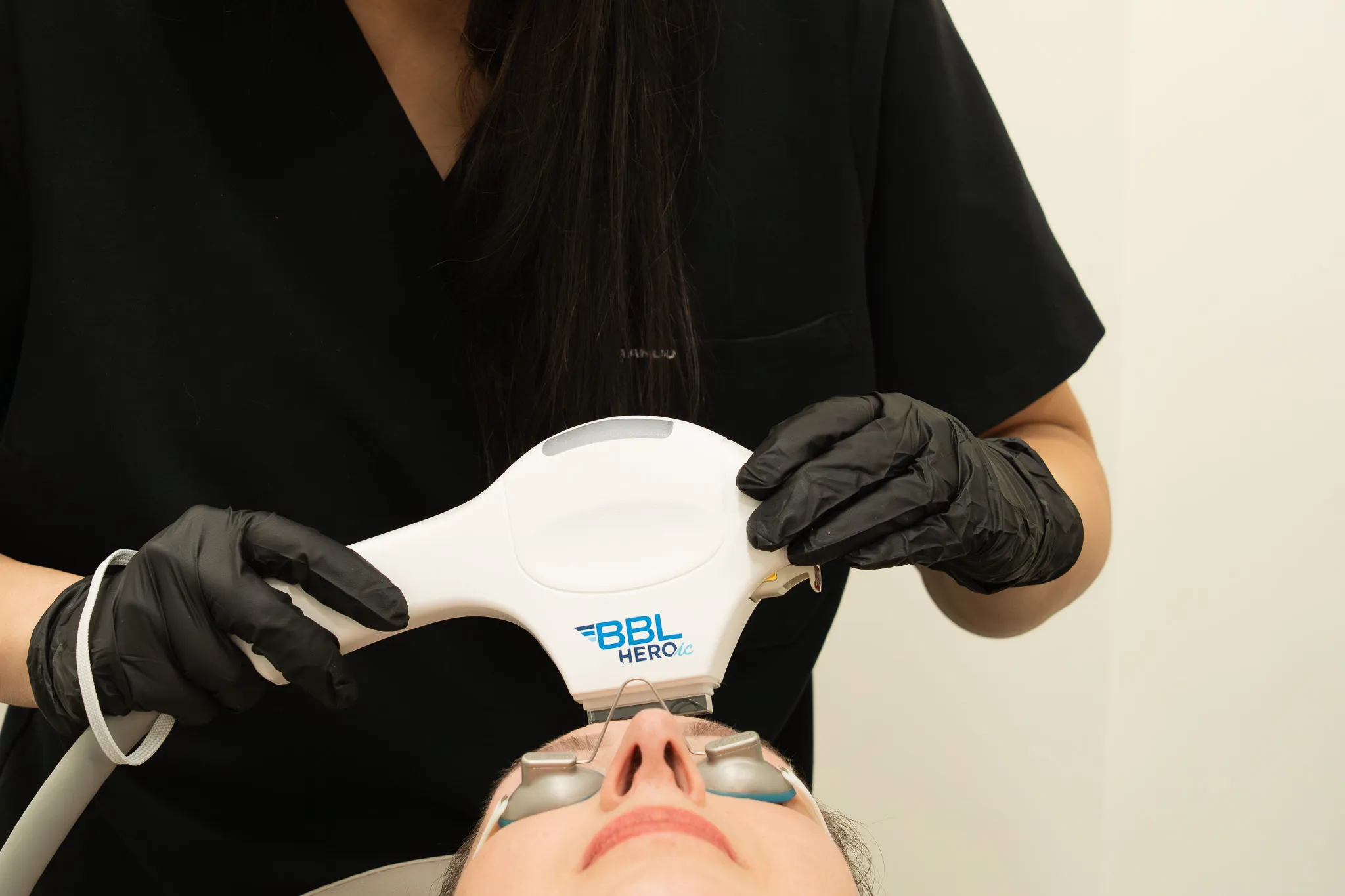
That is closer to aesthetic medicine than it sounds. The treatments I offer act at that level. Collagen is a protein your own fibroblasts make and release. Hyaluronic acid is a molecule your skin already produces. Neuromodulators change the way a nerve cell sends its signal to a muscle. Energy-based treatments, including laser and light, work by prompting your skin to rebuild itself.
That training also taught me to read the evidence rather than the marketing. When I recommend something at Serene Rejuvenation, it is because I understand the biology underneath it. The same understanding guides me when I advise against a treatment.
I then moved to the United Kingdom, where I studied medicine at the University of Leicester and graduated in 2011 with a Bachelor of Medicine, Bachelor of Surgery (MBChB) degree. I subsequently travelled north to Scotland, where I began an eight-year career with the National Health Service. During that time, I worked in acute hospitals across Scotland and gained valuable experience in several specialties, including orthopaedics, general surgery, and emergency and acute medicine.
In 2014, I began a four-year General Practice Specialty Training program. After obtaining my Certificate of Completion of Training from the General Medical Council in 2018, I became a member of the Royal College of General Practitioners (MRCGP, UK) and the College of Family Physicians of Canada (CCFP).
In 2019, I returned to Canada, obtained my licence from the College of Physicians and Surgeons of British Columbia (CPSBC), and began a new chapter as a family physician in my local community.
Fifteen years of clinical practice across two health systems built the habits family medicine teaches: take a careful history, examine before concluding, explain the options honestly, and know the whole patient rather than the single complaint.
Family medicine is a generalist's discipline, and its breadth proved to be the most useful preparation for the work I do now. A family physician sees skin in every state, including inflamed, sun-damaged, scarred, healing well, and healing poorly, in patients of every age and circumstance. That range develops two clinical instincts no procedural course can provide: pattern recognition shaped by thousands of patient encounters and a durable sense of when an intervention will help, when it will have little effect, and when it may not be needed at all.
Aesthetic medicine became the place where those two threads met: the cell biology I studied first, and the clinical judgement family medicine built. Understanding the mechanism shapes when I recommend a treatment, how I dose it, and when I advise waiting instead.
Today, both of my practices remain centred on my local community. They share one building, with Serene Rejuvenation operating inside CityMed Medical Clinic, allowing me to move conveniently between the two sides of my work.
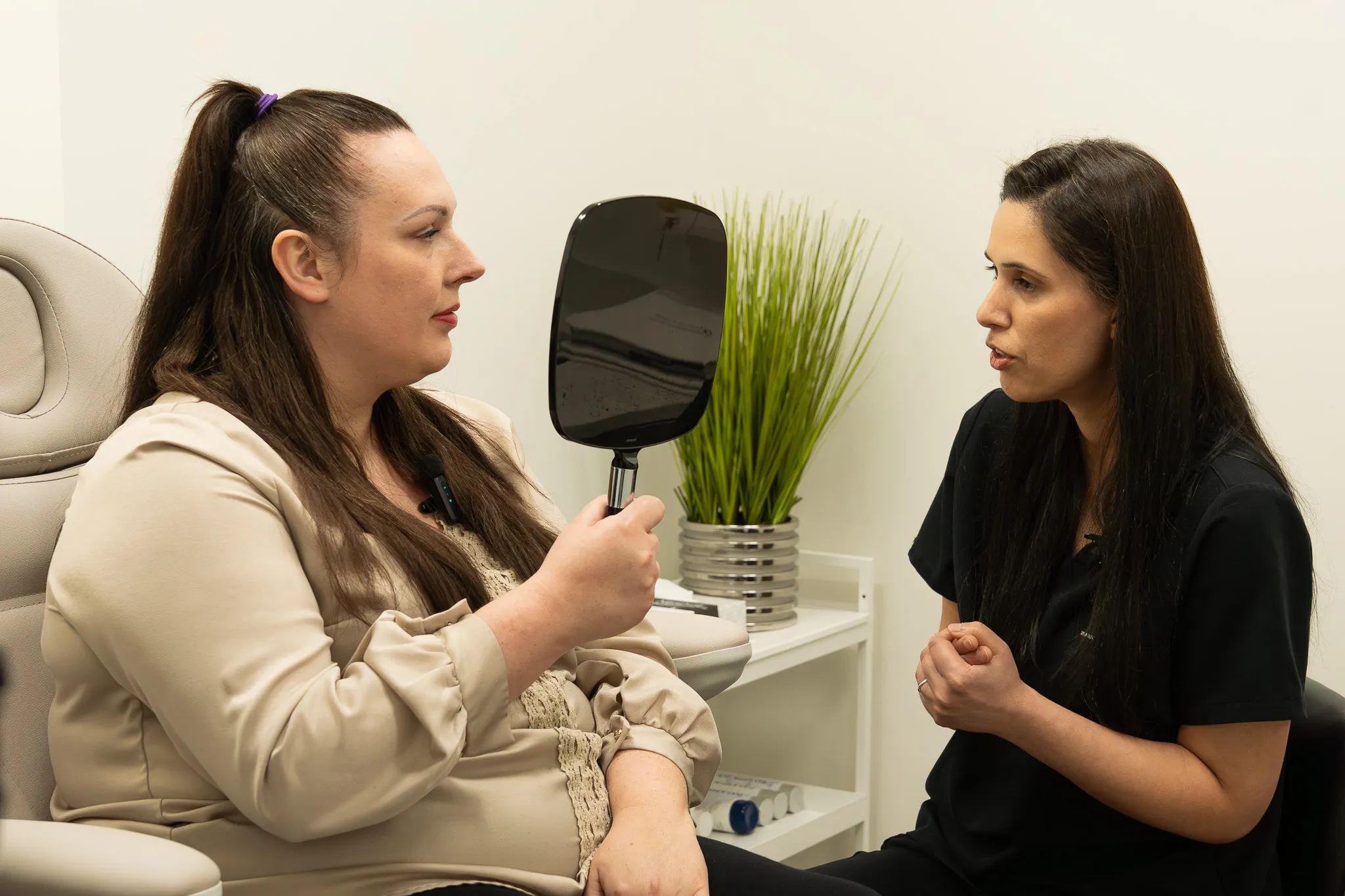
The setting carries clinical value as well. Knowing a patient's history, medications, and overall health can shape how an aesthetic treatment is planned and timed, and a skin finding noticed during an aesthetic visit can be assessed with a family physician's perspective in the same building. Across both practices I keep the same habits of screening, documentation, and follow-up.
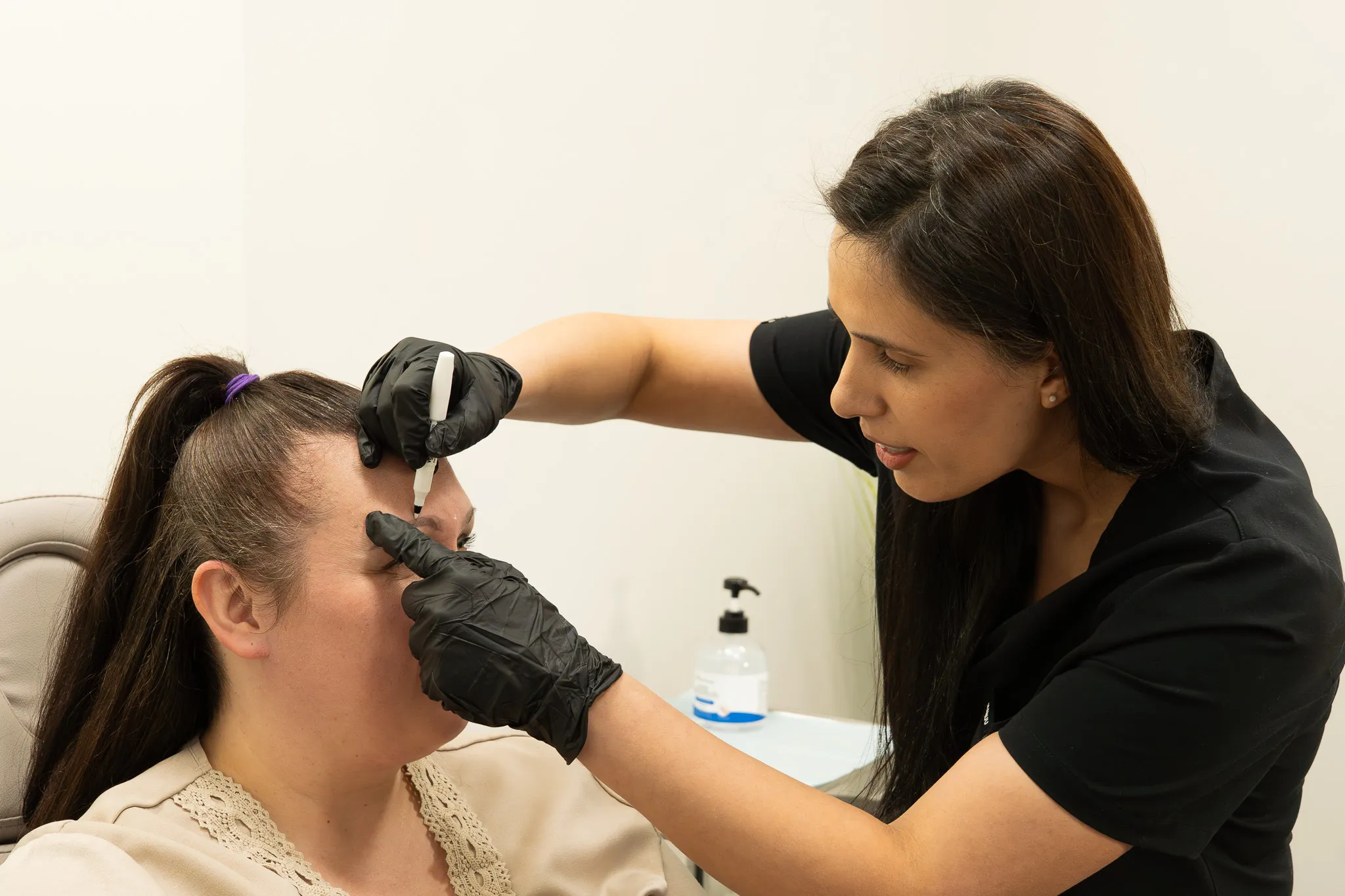
My clinical focus is skin health and facial and body aesthetics: light-based (photofacial) and laser energy devices, microneedling, and injectable treatments. I have spent my career carefully balancing the potential benefits and risks of treatment for each patient. That experience has taught me that good care depends not only on knowing when to treat, but also on knowing when it is best to wait.